Hotline: +84 901 958 318
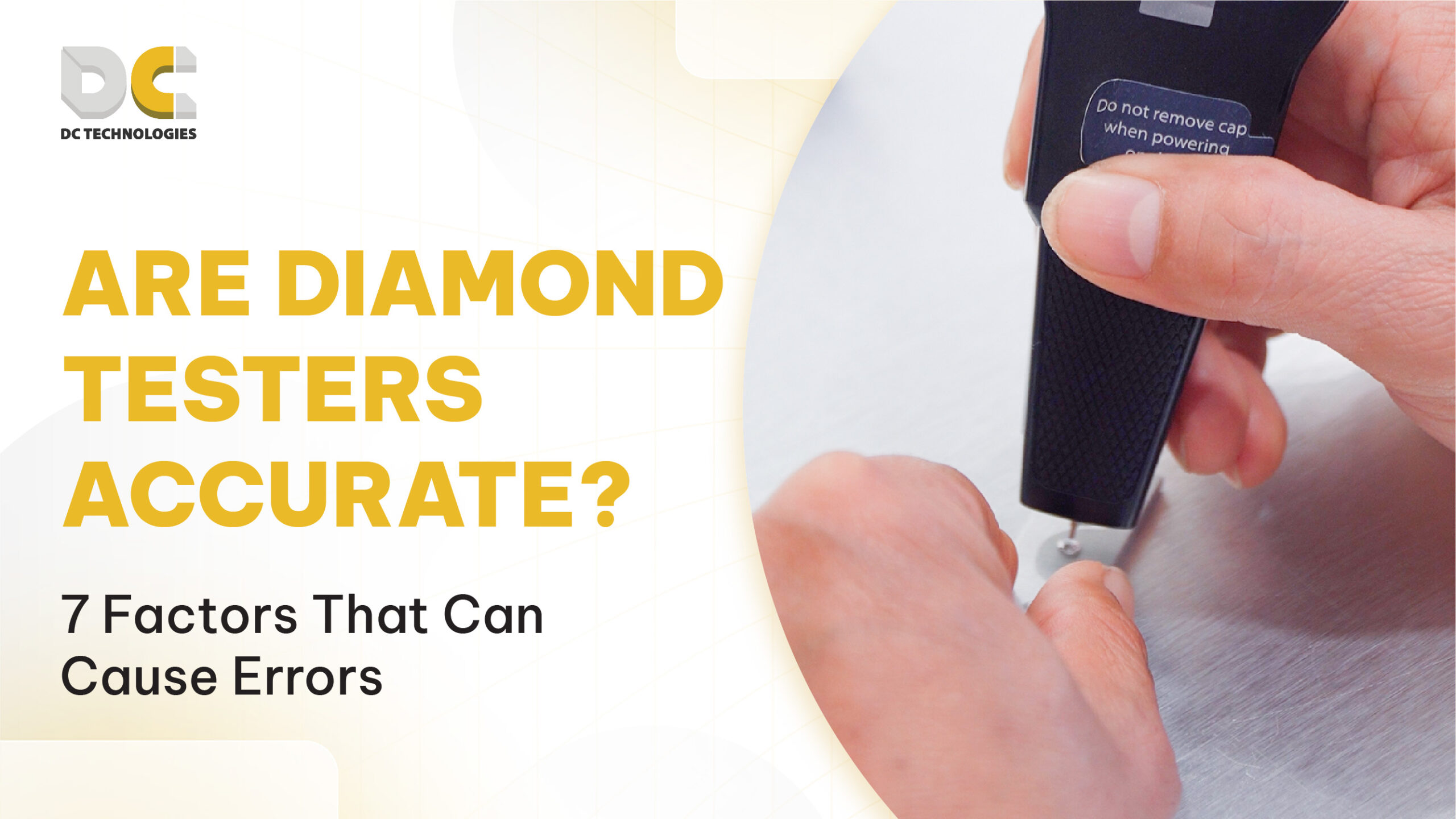
Diamond testers are commonly used for quick screening at gold shops and jewelry stores. These devices can provide reliable results within their intended testing range. However, standard testers usually detect only certain physical properties of a stone. A “Diamond” result does not confirm that the stone is naturally formed.
Accuracy also depends on the tester’s technology, the condition of the sample, and the testing technique. Users should understand what the device measures before reaching a conclusion.
Diamond testers can deliver accurate results when properly selected and correctly used. They are suitable for distinguishing diamonds from certain diamond simulants. However, accuracy varies among different tester models.
Some devices measure only thermal conductivity. More advanced models may combine thermal and electrical conductivity testing. Each technology has a different identification range.
Therefore, a “Diamond” result only confirms the properties measured by the device. It does not automatically prove that the stone is a natural diamond. Users can read our guide on choosing a diamond tester for jewelers to select the right device.

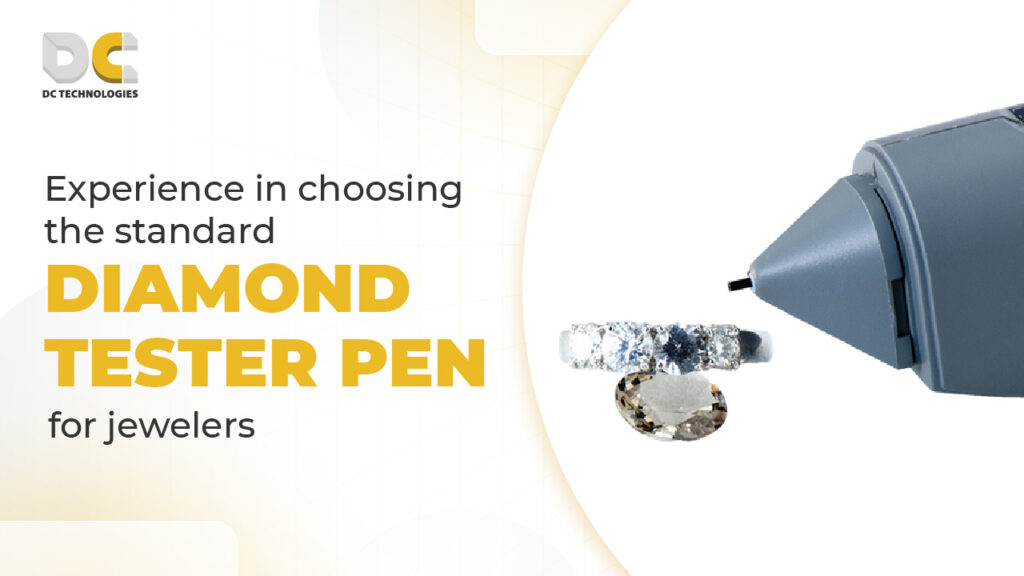
Most standard diamond testers measure a stone’s thermal conductivity. Diamonds transfer heat faster than many common diamond simulants. When the probe touches the surface, the device measures the rate of heat transfer. Results are displayed through lights, sounds, or a screen.
Some testers also measure electrical conductivity. This function can help distinguish diamonds from moissanite under suitable testing conditions. For example, the Presidium Multi Tester III combines thermal and electrical testing. Every diamond tester still has technical limitations. Users should review the specifications and instructions before testing actual samples.

Finger oil, polishing dust, and moisture can interfere with the probe. This may cause unstable or inconsistent results. Clean the stone and allow it to dry completely before testing. Avoid testing immediately after applying a cleaning solution.
Thermal testers rely on the way heat moves through a material. A stone that is too hot or cold may produce different results. Allow both the stone and the device to stabilize at room temperature. Do not test immediately after heating or cooling the sample.
The probe must maintain stable contact with the stone’s surface. If it tilts or slips, the signal may not be recorded correctly. Users should avoid applying excessive pressure. Contact time should also follow the manufacturer’s instructions.
When testing mounted jewelry, the probe may touch a prong or metal setting. This can interrupt the test or affect the result. Some models, such as the Presidium Adamas, provide an alert when the probe touches metal. However, the operator must still control the exact contact point.
Each tester has a minimum sample-size limit. A large probe may touch both the stone and its metal setting. For melee diamonds or jewelry with multiple stones, choose a tester with a smaller probe. The device should match the sizes tested most frequently.
A weak battery may produce an unstable signal. A dirty probe can also reduce contact quality. Check the power supply before each test. The device should be cleaned and stored according to the manufacturer’s official instructions.
This is the most important factor. Standard diamond testers usually identify materials, not their growth origin. CVD and HPHT diamonds may still produce a “Diamond” result. Businesses requiring origin screening must use specialized CVD and HPHT diamond detection equipment.

CVD and HPHT diamonds are produced in laboratories. They have a carbon crystal structure and many properties similar to natural diamonds. As a result, a thermal conductivity tester may identify them as diamonds. The device measures physical properties rather than geological origin.
According to GIA, distinguishing natural diamonds from laboratory-grown diamonds requires advanced testing methods. Visual inspection and basic diamond testers are not sufficient for a final conclusion. You can also read our article, “What Are Laboratory-Grown Diamonds? Are CVD and HPHT Diamonds Fake?”, to understand their different origins.

Identification capability depends on the technology used in each device. Basic thermal testers can usually distinguish diamonds from many types of cubic zirconia. Moissanite is more difficult to test. Its thermal conductivity is relatively close to that of diamond. Some older testers may incorrectly identify moissanite as diamond.
Testers combining thermal and electrical measurements are often more suitable for this purpose. However, stone placement and operating technique can still affect the result. GIA has documented a case involving moissanite with a fraudulent inscription that was misidentified during testing. This shows that a single result is not sufficient to authenticate a stone. Readers can refer to GIA’s technical report on fraudulently inscribed moissanite.
DC Technology currently supplies several types of diamond testers. Each product is suited to different stones and testing procedures.
A reliable conclusion should not depend on a single test. Gold shops and jewelry stores can organize the process into five steps.
A diamond tester provides the first level of screening. High-value transactions should include additional specialized equipment.

Businesses should upgrade their testing process when they regularly purchase diamonds. Specialized equipment is also necessary when stones come from multiple sources.
Situations that may require advanced testing include:
DC Technology currently offers a range of specialized diamond testing equipment. These systems provide deeper screening than handheld testers used at the counter. Specialized devices do not completely replace a gemological laboratory. Their main role is to identify stones that require further examination.
Price is not the only consideration. Buyers should evaluate the technology, probe design, and identification range. Devices without clear specifications may produce inconsistent results. Technical support should also be considered before purchase.
Yes. Users can test several clean and flat areas of the stone. Results should remain consistent between tests. If the results change repeatedly, check the probe, temperature, and contact position.
Standard testers may identify CVD and HPHT diamonds as diamonds. However, they usually cannot determine whether the stone is natural or laboratory-grown.
A handheld tester may be sufficient for basic screening. Businesses involved in diamond purchasing or high-value transactions should add specialized equipment.
Diamond testers can provide reliable results when properly selected and used. However, every device has limits regarding stone size, testing conditions, and identification range. Errors often result from dirty surfaces, unstable temperatures, or incorrect probe placement. Contact with a metal setting can also affect the test.
More importantly, a “Diamond” result does not prove that a stone is naturally formed. Specialized equipment is required when screening for CVD and HPHT diamonds. Need to confirm whether a tester is suitable for your actual stone samples? Contact DC Technology for consultation and register for an in-store screening demonstration.
Hotline: +84 901 958 318
Fanpage: https://www.facebook.com/dctech.com.vn
Product category: Diamond and gemstone testing equipment