Hotline: +84 902 588 891
For modern industries, technical electroplating is not merely a surface protection layer but also a key quality benchmark that ensures product value and performance. Moreover, controlling alloy composition and chemical safety levels has become increasingly crucial as environmental regulations and international certifications grow more stringent. DC Technologies introduces three international standards for evaluating technical plating quality, helping businesses maintain strict quality control, enhance production efficiency, and ensure compliance with global environmental and safety standards.
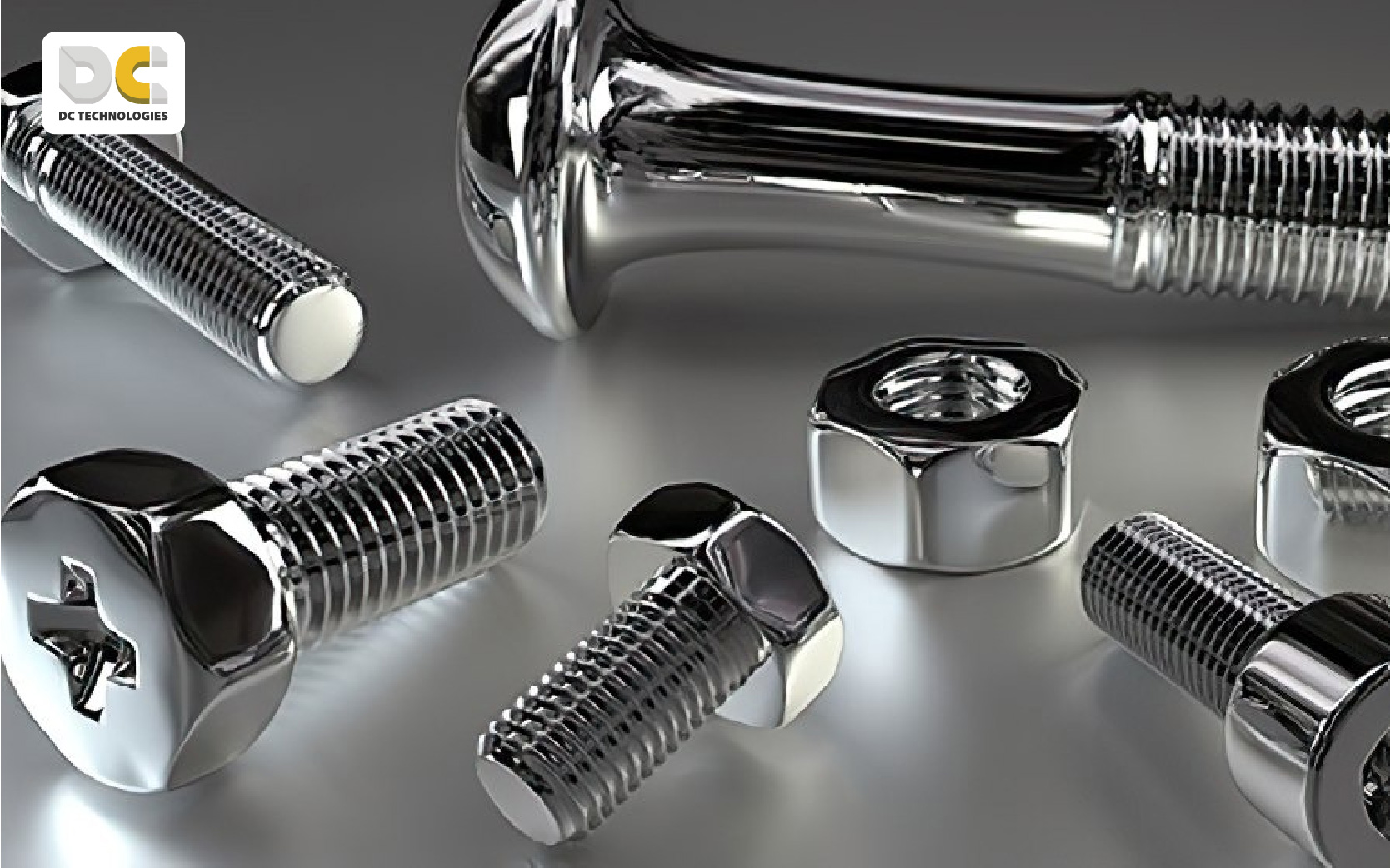
Technical electroplating is the process of coating a layer of metal onto a material’s surface to enhance its technical properties such as durability, corrosion resistance, wear resistance, electrical conductivity, or thermal conductivity.
Unlike decorative plating, technical electroplating focuses primarily on the functionality and performance of the product rather than its aesthetic appearance.
– Superior corrosion resistance: Protects metals from oxidation and rust in harsh environments.
– Enhanced durability and wear resistance: Reduces surface damage from impact or friction, extending the lifespan of mechanical components.
– Improved electrical and thermal conductivity: Ensures optimal performance for electronic components, printed circuits, and conductive devices.
– Maintained dimensional accuracy and uniformity: Smooth, even plating preserves mechanical tolerances, crucial for precision parts.
– Increased product value: Durable, glossy plating combined with enhanced technical performance elevates both the commercial and professional value of the product.
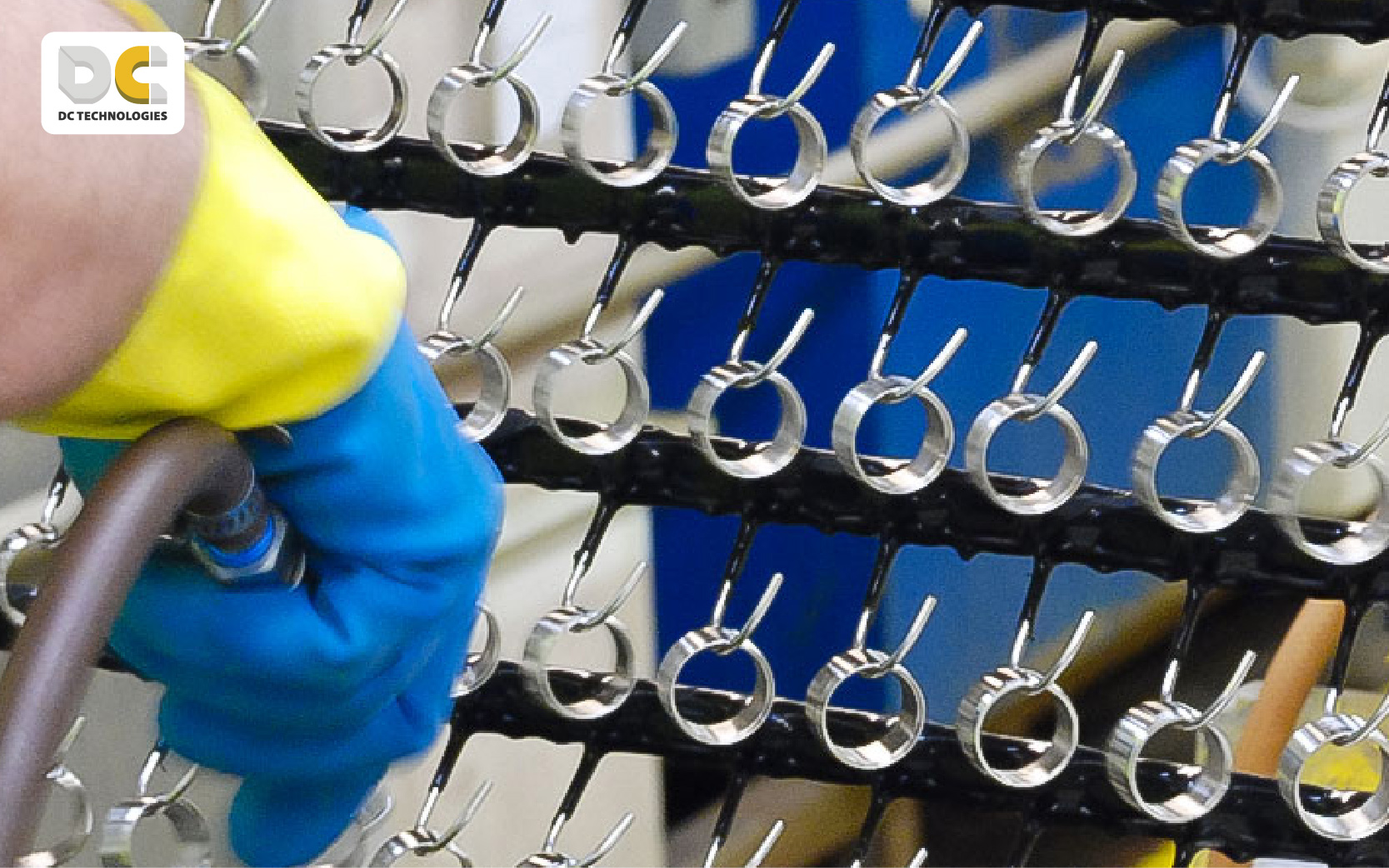
Optimal thickness: The plating layer should be thick enough to protect the surface from wear and impact, yet not so thick that it causes cracking or peeling.
Strong adhesion: The coating must bond perfectly with the substrate, ensuring it does not delaminate or degrade under mechanical stress or environmental exposure.
Perfect gloss: The plating layer should maintain a consistent shine, giving the product a premium and visually appealing appearance.
Absolute uniformity: The surface must be free of streaks or spots, ensuring both aesthetic quality and even protective performance.
Visual impact: An attractive plating finish enhances product value and immediately captures customer attention.
Corrosion resistance: The plating layer must protect the substrate from environmental factors such as humidity, salt, chemicals, or industrial emissions.
Chemical durability: It should withstand common chemicals the product may encounter, including mild acids, alkalis, or cleaning solutions, ensuring long service life and reduced maintenance costs.
To meet international standards for plating quality, controlling thickness, alloy composition, and safety levels is essential. SpectraX 55 is an advanced analytical device that enables fast, precise, and efficient monitoring of the plating process.
The SpectraX 55 can measure the thickness of up to five plating layers, ranging from a base layer to complex alloys, without damaging the surface. This allows users to easily analyze a wide variety of metallic coatings on different substrate materials. Notably, it offers a measurement precision of up to 0.001 μm, a technological feature rarely matched by other XRF devices on the market.
Even more remarkably, the SpectraX 55 can accurately analyze the alloy composition of plating layers, including precious metals such as gold (Au), silver (Ag), palladium (Pd), platinum (Pt), and rhodium (Rh), as well as industrial metals like copper (Cu), nickel (Ni), zinc (Zn), and chromium (Cr). This capability enables businesses to maintain strict quality control, ensure metals are present in the correct proportions, and enhance both the durability and aesthetic appeal of their products.
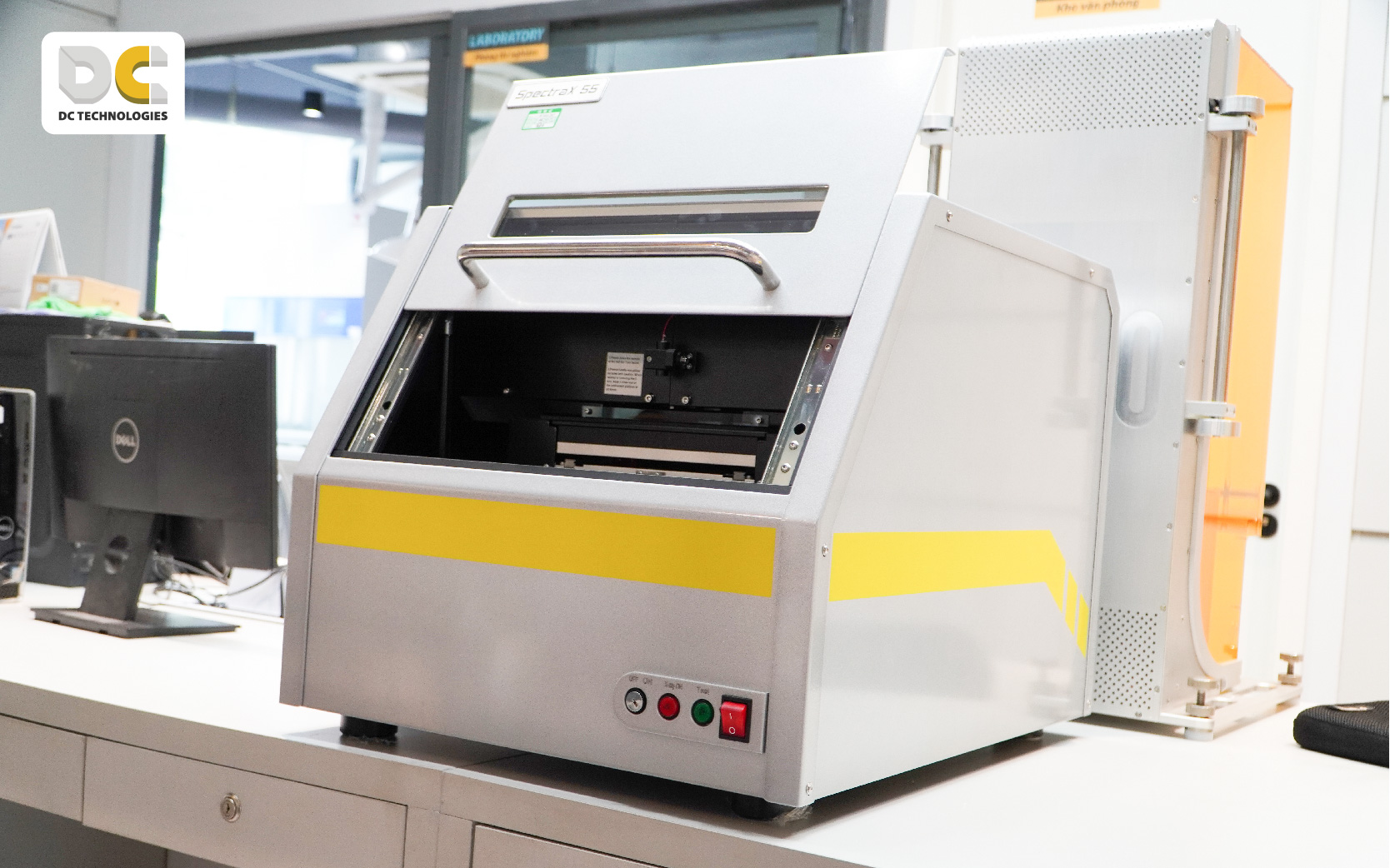
In addition to measuring plating thickness and analyzing metal composition, the SpectraX 55 also detects hazardous substances such as Pb, Cd, and Cr⁶⁺ in accordance with RoHS, WEEE/ELV, EN71, and TCVN standards. This ensures that products meet international certifications and are safe for end users. Such capabilities are especially critical for industries that require strict environmental compliance and alignment with current global sustainability trends.
The 3D (XYZ) moving stage of the SpectraX 55 can support a maximum load of 5 kg, providing flexibility for measuring larger samples, saving time, and optimizing operational workflow. Its high-resolution camera assists in precise measurement positioning, further enhancing the accuracy of the analytical process.
In the mechanical components, automotive, and household appliance industries, the SpectraX 55 assists in measuring plating thickness on mechanical products, ensuring coatings meet strict technical requirements before production. The device helps businesses optimize quality, reduce errors, and enhance operational efficiency.
The SpectraX 55 is highly valuable in the jewelry sector, as it can measure the thickness of gold, silver, rhodium, and platinum plating on jewelry items, while also analyzing the alloy composition of the plating. This ensures both the quality and aesthetic appeal of the products, delivering perfect finishes and maximizing commercial value.
With the capability to test for hazardous substances according to standards such as RoHS/WEEE/ELV, EN71, and TCVN, the SpectraX 55 enables companies in the electronics, jewelry, and consumer goods industries to ensure their products are safe for end users, particularly children. This not only enhances brand reputation but also ensures compliance with environmental regulations.
DC Technologies proudly provides the SpectraX series—including models 20, 25, 30, and particularly the SpectraX 55 coating thickness analyzer—offering optimal solutions for plating inspection, analysis, and hazardous substance testing. With advanced technology and superior features, the SpectraX 55 enables businesses to ensure product quality, enhance production efficiency, and comply with international health and environmental standards. Customers choosing SpectraX equipment from DC Technologies receive comprehensive support:
Equipment must be supplied officially and transparently, with full documentation to avoid counterfeit or substandard products. This commitment to authenticity is why many clients trust DC. We guarantee genuine products meeting international standards, with transparency from importation to delivery.
High-quality devices require professional after-sales support, including 12–24 months warranty, maintenance assistance, component replacement, and periodic calibration. At DC, customers benefit from prompt warranty service and a technical team ready to assist, ensuring continuous and efficient operation.
Not all users are immediately familiar with operating sophisticated equipment. A reputable supplier provides on-site engineers, guidance, and training to ensure correct usage. DC prioritizes this support, helping customers confidently deploy machines in real operational environments without difficulty.
Customers should consider a supplier’s ability to offer machine demos, policies such as trade-in, upgrades, and the supplier’s long-standing reputation and experience. Additionally, transparent and reasonable pricing with multiple options ensures solutions tailored to different business scales.
Conclusion
To achieve international-standard technical plating quality, businesses must focus on thickness, adhesion, aesthetic finish, and corrosion resistance of the plating layer, while also controlling alloy composition and chemical safety levels. The SpectraX 55 provides a fast, precise, and comprehensive analysis solution, meeting the stringent requirements of the electronics, jewelry, and consumer goods industries. With DC Technologies, customers not only receive genuine equipment but also benefit from technical support, operational training, product demos, and professional after-sales services, ensuring efficient, durable, and safe operation. Investing in international-standard plating technology and solutions is a strategic step to enhance product value, optimize costs, and boost brand reputation in the global market.
FREQUENTLY ASKED QUESTIONS
Top most popular metal analyzers today
Should you analyze metal by using XRF or traditional methods?