Hotline: +84 902 588 891
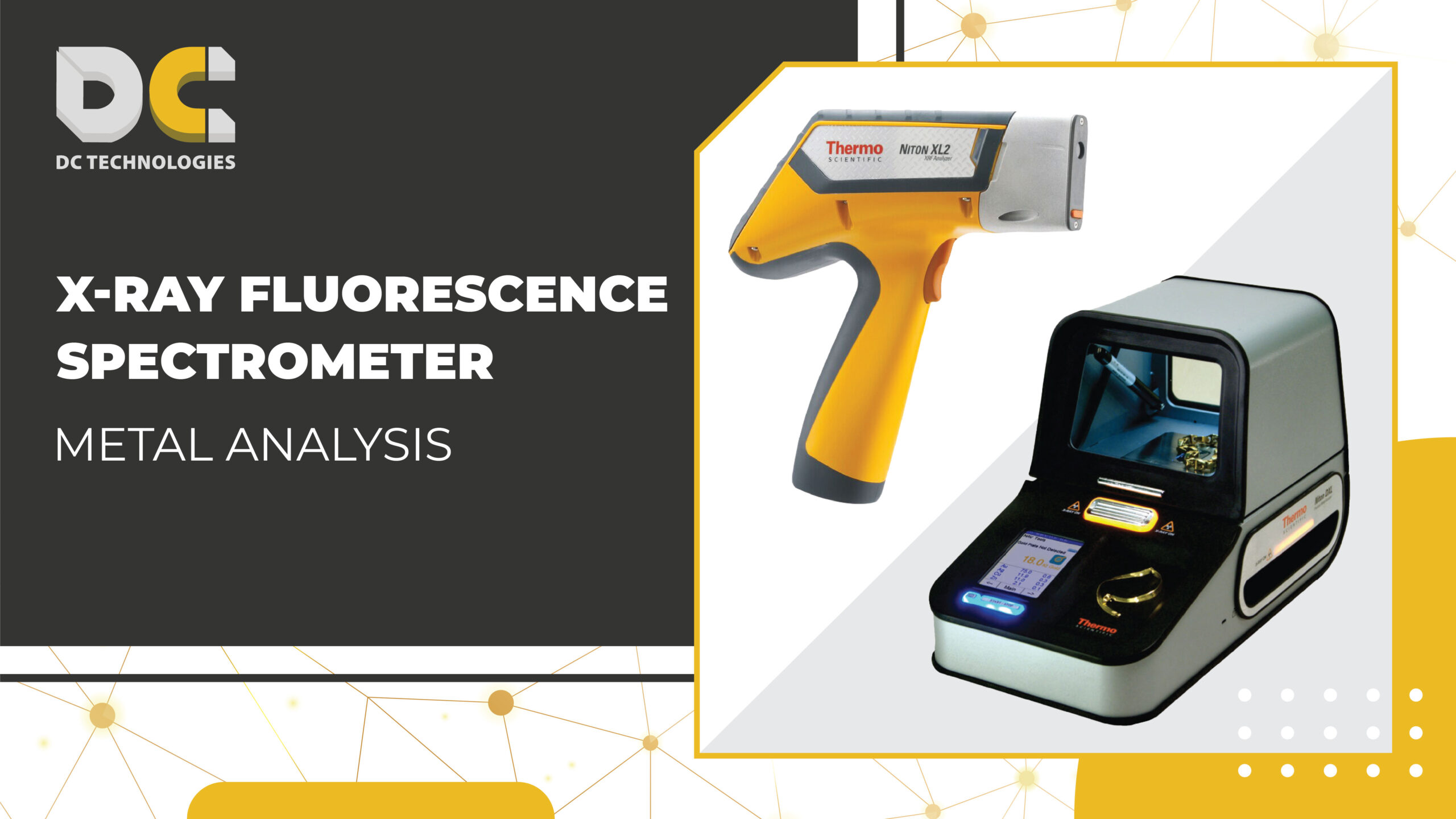
X-Ray Fluorescence (XRF) spectrometers are advanced analytical tools providing precision and efficiency in determining the chemical composition of materials. With versatile designs and applications, especially in industries with stringent quality control requirements, XRF has become a top choice. This article explores XRF spectrometers, their working principles, Thermo Fisher Scientific product lines, and notable applications.
XRF spectrometers utilize X-rays to analyze and identify the chemical elements in a material sample. When exposed to X-rays, the atoms in the sample emit secondary X-rays (fluorescence). These emissions carry unique information about each element, enabling highly accurate chemical composition analysis.
XRF is non-destructive and can analyze various materials, including metals, plastics, liquids, and powders. It is an ideal solution for industries such as mining, manufacturing, and recycling.
The operating principle of XRF is based on X-ray fluorescence phenomena. When X-rays hit a sample, atoms are excited, emitting secondary X-rays.
The process involves:
This process delivers fast, accurate results without damaging samples, making it ideal for both laboratory and field environments.
Thermo Fisher Scientific, a leader in analytical technologies, offers two main XRF instrument lines tailored to diverse user needs:
Handheld XRF devices like the Niton XL2 or XL3 Plus provide unmatched portability. Compact and user-friendly, these devices enable on-site analysis without needing to send samples to a lab.
Applications include:
The Thermo DXL-800 desktop XRF series is designed for high-precision, in-depth analysis, ideal for laboratories and applications requiring high-resolution results.
Advantages include:
Both lines feature Thermo Fisher’s advanced technology, ensuring reliability and efficiency in every measurement.
XRF spectrometers are cutting-edge analytical instruments offering exceptional speed, accuracy, and versatility. Whether you’re in mining, metal manufacturing, or product quality control, XRF is an invaluable tool.
For a reliable solution, contact DC Technologies, the official distributor of Thermo Fisher Scientific XRF instruments in Vietnam. With experienced specialists and dedicated support, DC Technologies ensures you receive the best technological solutions.