Hotline: +84 902 588 891
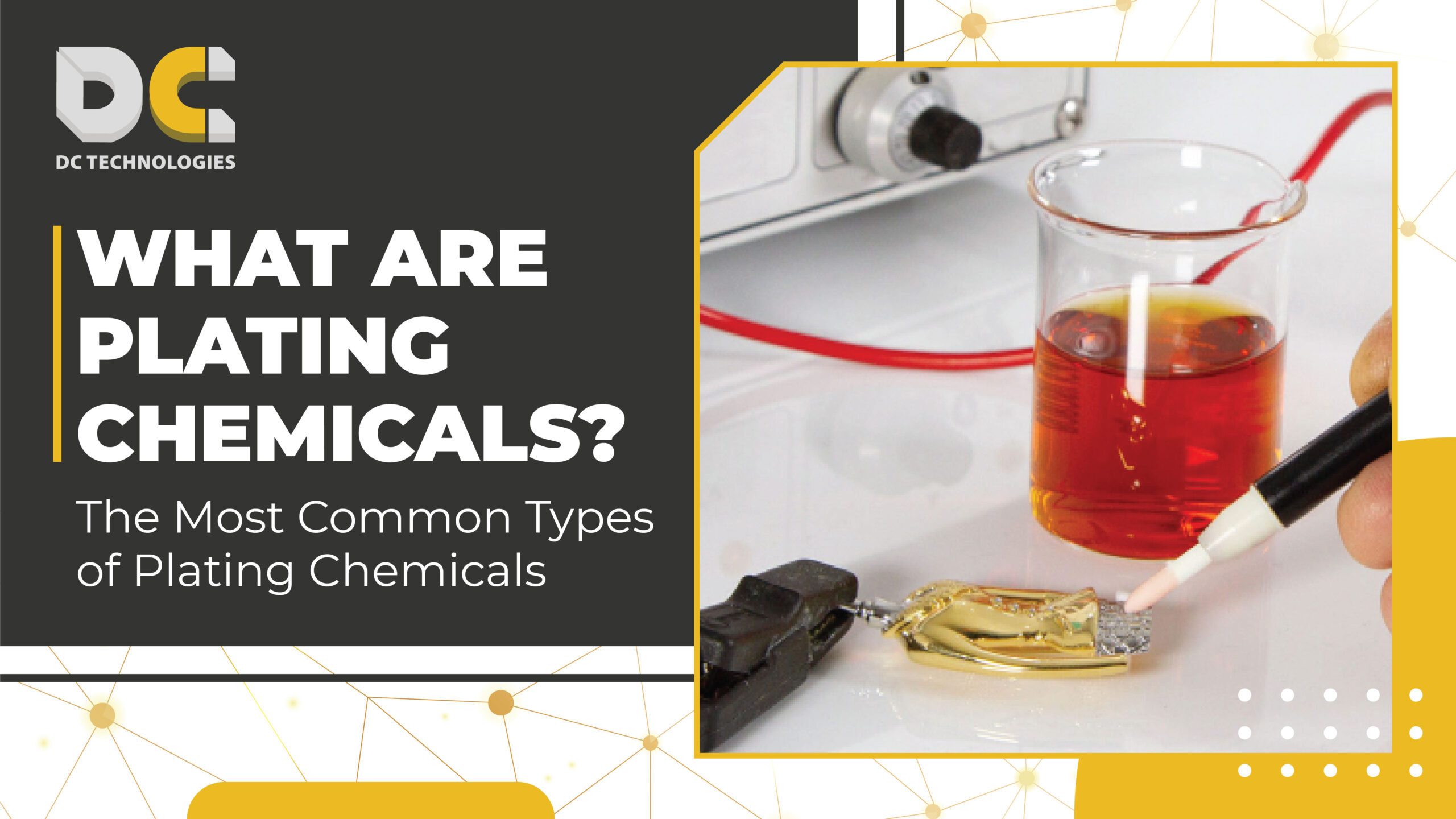
In modern industries, electroplating is an indispensable technology to enhance the quality, aesthetics, and durability of metal products. Behind every high-quality plated product is the crucial role of electroplating chemicals. But what exactly are electroplating chemicals, what role do they play in industrial production, and what are the most common types? This article by DC Technologies will provide you with essential insights into electroplating chemicals, their applications, and trusted options on the market
Electroplating is the process of coating a layer of metal or alloy onto the surface of a base material, usually metal or plastic. This process not only enhances aesthetics but also protects the product from corrosion, increases durability, and improves mechanical properties like hardness and wear resistance.
Electroplating can be performed through electrolytic or chemical methods, depending on the type of coating and specific applications.
Electroplating chemicals are compounds or solutions used in the electroplating process to create the desired metal coating. They play a vital role in ensuring that the plating layer is of high quality, durable, aesthetically pleasing, and meets stringent technical requirements.
Electroplating chemicals include key components such as metal salts, conductors, activators, stabilizers, and other additives to control the process and improve the quality of the plating layer.
Electroplating plays a significant role across various industries, from mechanical engineering and electronics to jewelry and household appliances. Key applications include:
Shiny and smooth plating layers make products more appealing and professional. Common coatings like gold, silver, nickel, or chrome are used to add value to products.
Electroplating protects product surfaces from corrosive agents such as chemicals, humidity, and temperature, which is especially important in mechanical and construction industries.
Hard coatings like chrome or nickel improve product durability and reduce wear in harsh working conditions.
In electronics, coatings like gold and silver enhance electrical and thermal conductivity, ensuring the performance of components.
Electroplating enhances hardness, load resistance, and scratch resistance, meeting stringent technical requirements in industrial production.
Electroplating chemicals are diverse and specifically designed to suit various coating types and purposes. Below are the most common ones:
Used for creating coatings with high hardness, wear resistance, and excellent corrosion resistance. Chrome plating is widely applied in automotive, machinery, and medical equipment industries.
Nickel plating provides a durable, rust-resistant, and glossy layer. This chemical is commonly used in jewelry, electronics, and household appliance manufacturing.
Gold plating not only adds aesthetic value but also improves conductivity and corrosion resistance, popular in electronics, jewelry, and high-end watches.
Silver plating offers excellent electrical and thermal conductivity, often used in electronic components and high-conductivity applications.
Rhodium creates ultra-thin, highly glossy coatings with superior wear and corrosion resistance. It is a precious metal used in the jewelry and high-end equipment industries.
Platinum chemicals are premium options for creating durable coatings with exceptional corrosion resistance and a luxurious appearance. Platinum plating is used for high-end jewelry and in industries like electronics, aerospace, and healthcare.
Palladium is ideal for applications requiring thin yet high-quality coatings. It provides a shiny silver color, good hardness, and excellent corrosion resistance. Palladium is used for mid- to high-end jewelry, as well as protective coatings in electronics and automotive manufacturing.
Copper plating chemicals are used as a base layer to enhance adhesion for subsequent coatings, particularly in printed circuit board manufacturing and mechanical components.
Zinc plating protects metal surfaces from corrosion and is widely used in the construction and mechanical industries.
When it comes to high-quality electroplating chemicals in Vietnam, DC Technologies is one of the most trusted names. With over 20 years of experience in supplying electroplating chemicals and equipment, DC consistently delivers internationally certified products and professional technical support.
Electroplating chemicals are indispensable in industrial production and jewelry manufacturing, enhancing product quality, aesthetics, and durability. If you’re looking for comprehensive and high-quality electroplating solutions, contact DC Technologies today for the best advice and support!