Hotline: +84 902 588 891
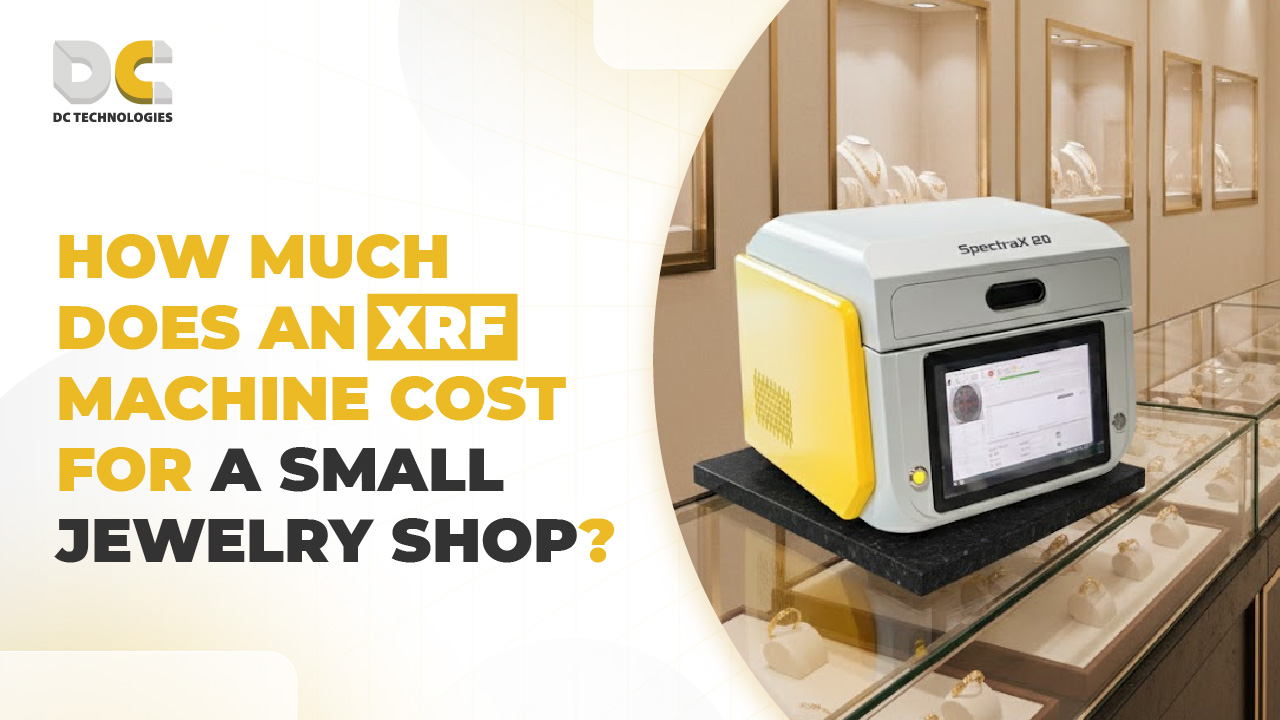
XRF machines are becoming essential equipment for small jewelry shops as the requirements for accuracy, transparency, and credibility in transactions continue to increase. In this article, DC will help businesses understand what an XRF machine is, why it is worth investing in, and how to choose the most suitable XRF machine based on budget, business scale, and actual needs.
An XRF (X-Ray Fluorescence) machine is a device used to analyze the elemental composition of metals using X-ray fluorescence technology. In the jewelry industry, XRF machines are used to accurately determine gold content, analyze alloy composition, and detect gold plating or adulterated gold.
The greatest advantage of XRF is its fast results, non-destructive testing, and the ability to display gold content in numerical values, making transactions more transparent and professional.
The operating principle of an XRF machine is quite simple:
X-rays irradiate the sample → Atoms absorb energy → Emit characteristic fluorescent radiation → The detector records the signal → The software processes and analyzes → Determines gold purity, alloy composition, and signs of gold plating
Within just a few seconds, a jewelry shop can accurately know the gold purity, alloy composition, and whether the product is gold-plated.
>>See more: Is an XRF metal composition analyzer accurate?
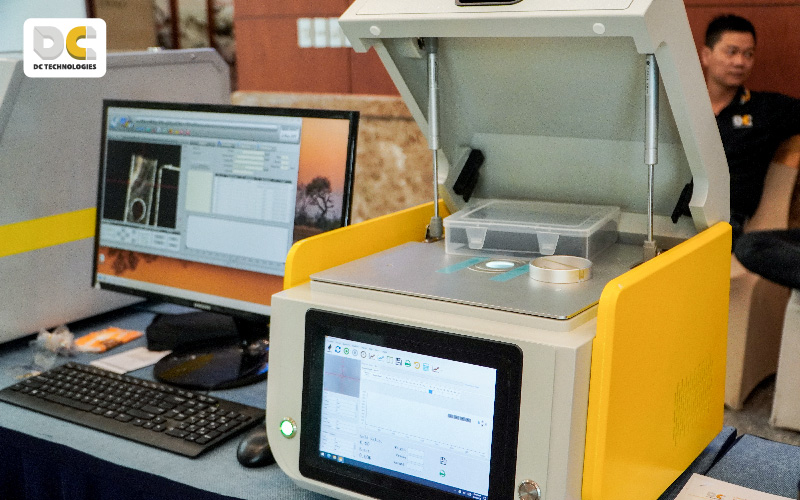
For small jewelry shops, investing in an XRF machine is not just purchasing equipment, but upgrading the entire operation and business image.
An XRF machine determines gold purity in a very short time, minimizing errors and reducing dependence on personal experience. This is especially important in buying, selling, pawning, or purchasing gold from customers.
When results are displayed in clear numerical values on the screen, customers trust them more easily. Transparency reduces disputes and complaints while improving the professional image of the shop.
XRF machines can detect gold plating, adulterated gold, or non-standard alloys, helping jewelry shops avoid financial and reputational risks.
No chemicals, no sample destruction, simple and fast operation help save time, increase service speed, and improve customer experience..
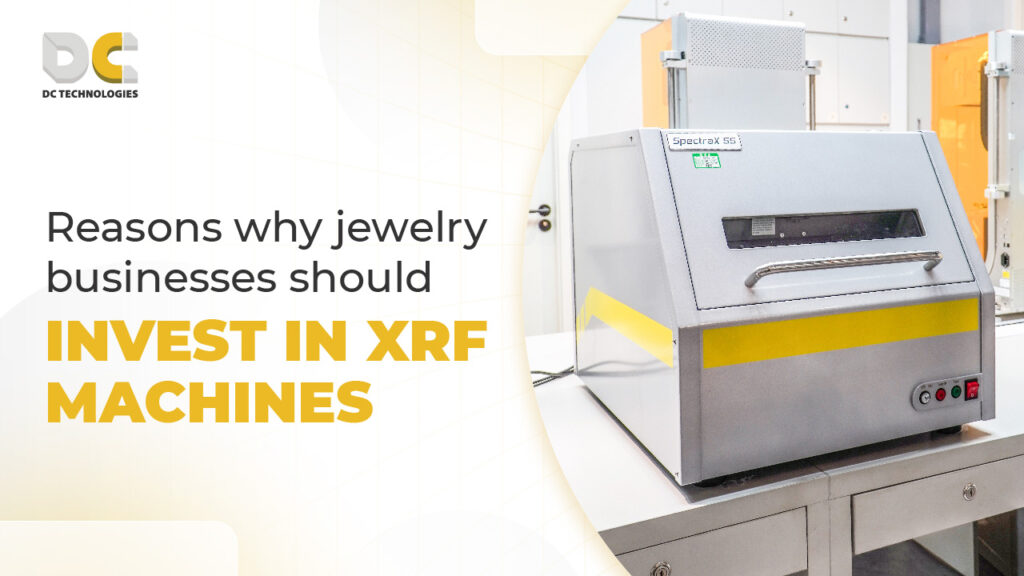
>> See more: Reasons why jewelry businesses should invest in XRF machines
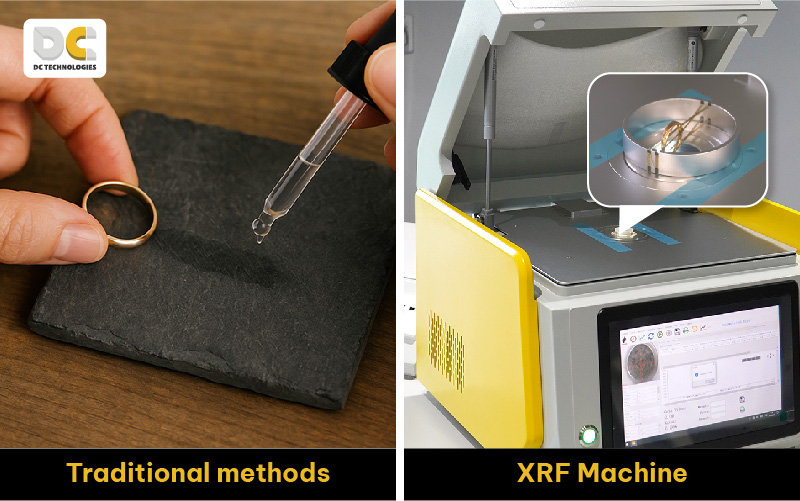
| Comparison Criteria | Traditional methods (acid test, touchstone, density test, visual inspection, etc.) | XRF Machine |
| Accuracy | Depends on the operator’s experience | Quantitative analysis with high accuracy |
| Speed | Many steps, time-consuming | Only a few seconds per sample |
| Alloy analysis | Cannot identify detailed composition | Clearly shows each element |
| Detection of gold plating | Difficult to detect | Accurate detection |
| Safety | May use chemicals | Non-destructive, no chemicals |
| Transparency | Hard to convince customers | Results displayed visually |
| Data storage | Not available | Measurement results can be stored |
| Professionalism | Manual and traditional | Modern, standardized testing |
Traditional methods are suitable for very small-scale operations or basic testing needs. When a jewelry shop aims for transparency, accuracy, and professionalism, an XRF machine becomes an essential choice.
>>See more: How to measure gold purity quickly without damaging the sample
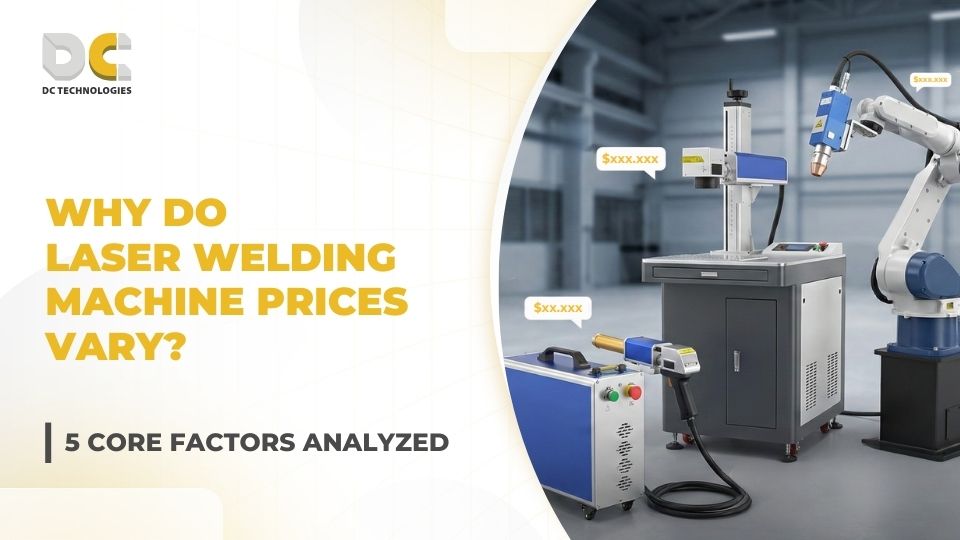
The price of XRF machines varies widely in the market due to multiple technical and service-related factors, not only the brand.
Machines using high-quality semiconductor detectors with good energy resolution provide more accurate results, especially for gold and precious alloys. Higher accuracy leads to higher investment costs.
>> See more: Which gold purity tester is the most accurate?
Some machines are designed mainly for precious metals, while higher-end models can analyze a wide range of elements from light to heavy metals with high sensitivity. Detection capability at the ppm level also increases the value of the equipment.
Manufacturers with long experience in material analysis often provide more stable products with lower error rates and higher market trust, which results in higher prices.
Sample chamber size, number of collimators, stability of the X-ray source, cooling system, and other hardware components directly affect performance and machine lifespan, thereby influencing price.
An XRF machine is strong not only in hardware but also in software. The more advanced the algorithms, the better the interface and processing capability, the higher the usability and the price.
As XRF machines are high-tech equipment, after-sales service is critical. Warranty duration, technical support speed, and software upgrade options all affect the total cost of ownership in the long term.
Budget directly determines the choice of an XRF machine. With limited budget, shops can select machines that meet basic gold purity testing needs. With higher budgets, they should prioritize higher accuracy and deeper analytical capability for long-term quality and credibility.
Business scale and testing frequency strongly influence machine selection. Shops with few samples per day only need basic machines, while high-transaction shops should choose stable machines capable of continuous operation and fast results.
Each shop has different analytical needs. Shops that only check gold purity and detect plating can use basic machines, while those requiring detailed alloy analysis must invest in higher-configuration models. Higher analytical demand means higher investment.
A suitable XRF machine provides long-term value:
– Reducing the risk of purchasing low-quality gold
– Increasing customer trust
– Speeding up transactions
– Professionalizing the inspection process
Therefore, “reasonable” is not about low or high price, but about whether the investment brings proportional business value.
>> See more: 5 common mistakes small jewelry shops make when choosing an XRF machine
SpectraX 20 is suitable for jewelry shops that need a stable, easy-to-use XRF machine with reasonable investment cost, meeting daily gold purity testing needs.
Key technical specifications:
– Amptek semiconductor detector (USA)
– Energy resolution: 145 ± 5 eV
– Elemental analysis range: from S to U
– Detection limit: ~1 ppm
– X-ray incidence angle: 90°
– Qualitative and quantitative analysis software using the FP method
With this configuration, SpectraX 20 accurately determines gold content, detects gold plating, and analyzes basic alloys, making it ideal for small shops adopting XRF technology efficiently and economically.
SpectraX 25 is designed for shops that require higher accuracy and deeper analytical capability, suitable for frequent and professional inspection environments.
Key technical specifications:
– High-performance Amptek semiconductor detector (USA)
– Energy resolution: 129 ± 5 eV
– Elemental analysis range: from S to U
– Detection limit: ~1 ppm
– Large sample chamber, supporting collimators: 0.8 mm, 1.2 mm, 2 mm
– Software integrated with SES algorithm to enhance measurement stability
– Compliant with TCVN 7055:2014 standard
SpectraX 25 enables detailed alloy analysis and is suitable for shops aiming to standardize inspection procedures and build a long-term professional image.
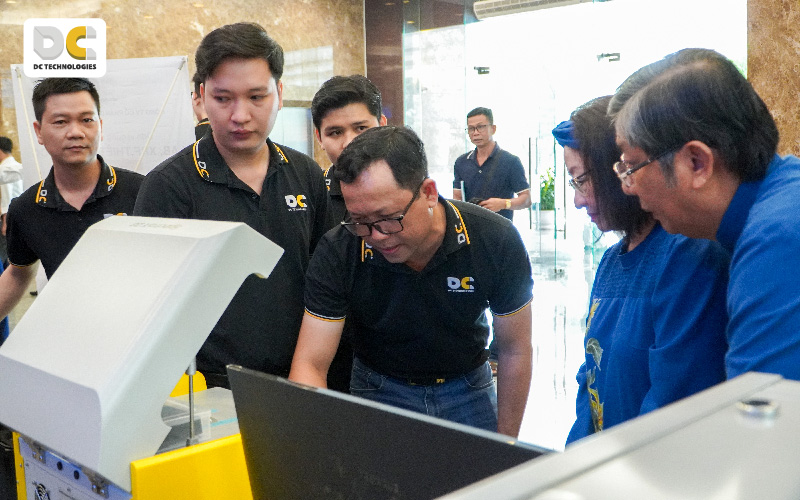
DC Technologies does not only provide XRF machines but delivers a complete inspection solution, combining equipment and services so that jewelry shops can operate smoothly from the start.
DC provides:
– On-site machine demonstration before investment
– In-depth consultation by experienced technical engineers
– Installation and on-site training
– Clear and transparent warranty policies
– Fast technical support within 2–48 hours
DC also supports jewelry shops in building in-store inspection procedures, from receiving products, testing, storing results, to explaining results clearly to customers. This helps shops not only own an XRF machine but also have a comprehensive inspection system that enhances credibility, reduces risk, and professionalizes business operations.
There is no fixed price for an XRF machine for small jewelry shops, only a suitable level of investment. Depending on budget, business scale, and development orientation, SpectraX 20 and SpectraX 25 are optimal choices to improve credibility, professionalize inspection processes, and achieve sustainable growth.
Contact DC for consultation on the most suitable XRF machine for your jewelry shop!
Fanpage: https://www.facebook.com/dctech.com.vn
Hotline: 0908 727 235
Showroom: 87 Nghia Thuc, An Dong ward, Ho Chi Minh City
High-tech center, 4th floor, HUTECH building, D1 street, high-tech park, Tang Nhon Phu ward, Ho Chi Minh City
22B O2, Linh Dam peninsula, Hoang Liet ward, Hanoi